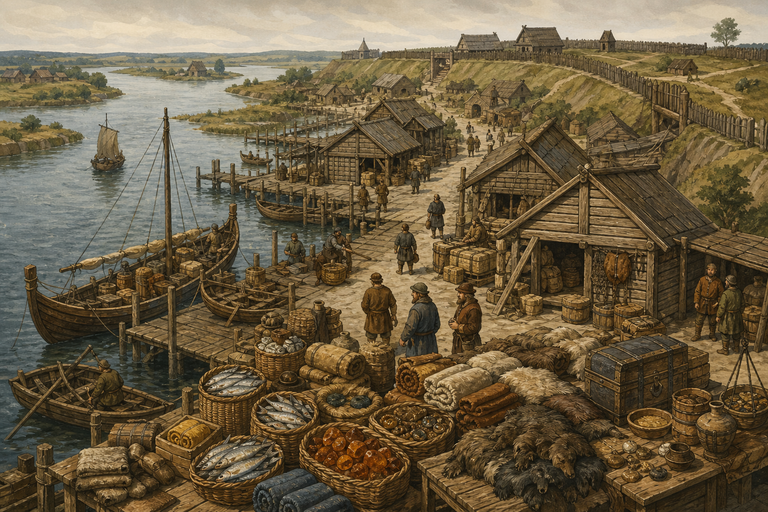
There is a city at the root of the Hanseatic story that most readers have never heard of.
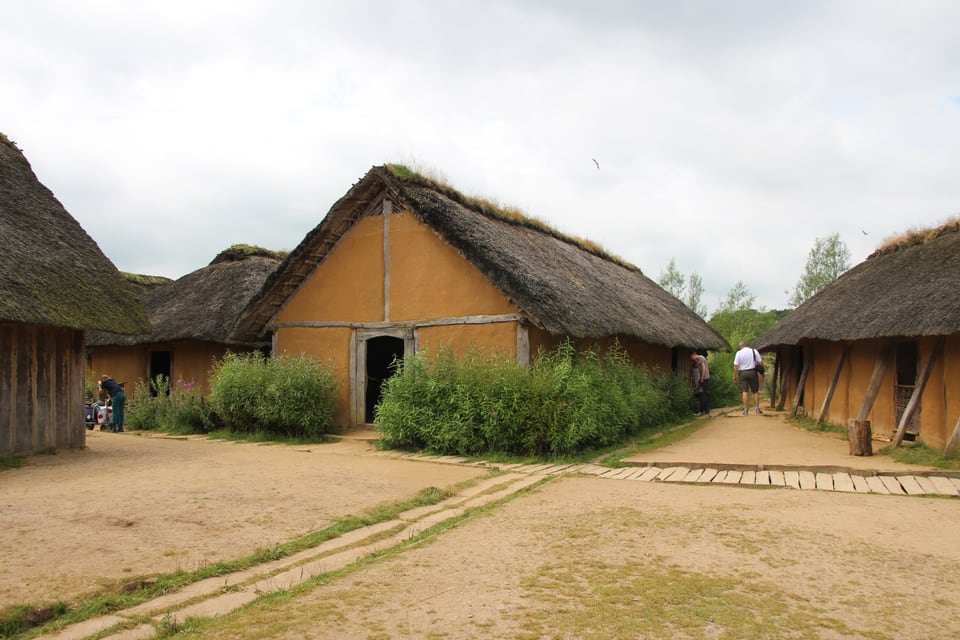
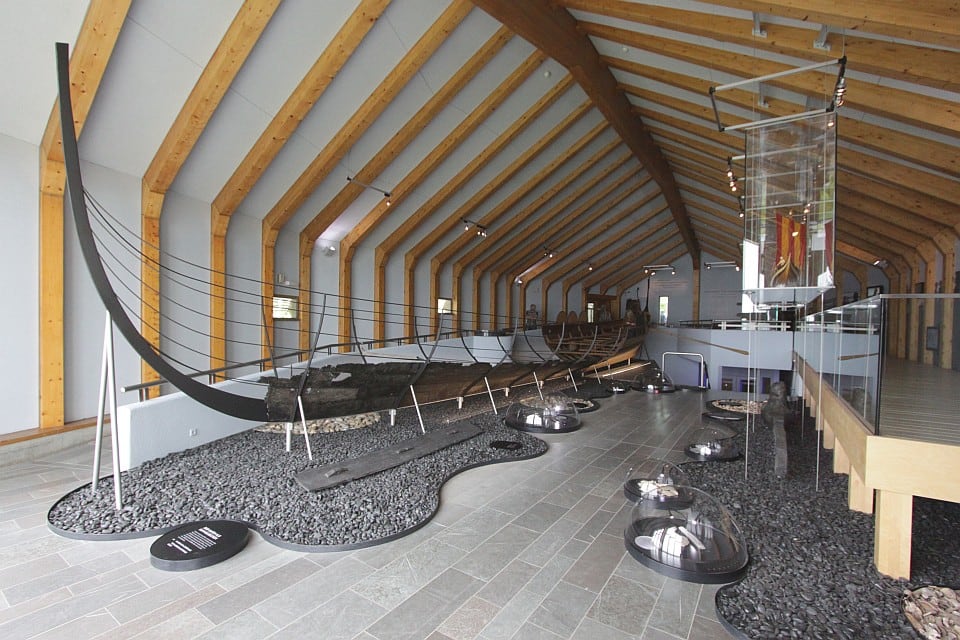
It is not Lubeck, Hamburg, Bruges, or Bergen. It is Hedeby. The city itself is gone, but the place is still there near modern Schleswig: earthworks, harbor traces, and museum cases from one of the largest and most important trading places of the Viking Age.
Hedeby gives the story its sharper point: northern trade did not begin with the Hansa. The League inherited older routes, then changed the rules for how merchants used them.
Before the Hansa
In the Viking Age, northern trade already had working ports, craft sites, tolls, and long routes. Hedeby and Birka were not modern market economies, but they were not isolated raiding camps either. Rulers, craftspeople, travelers, and traders met there; goods crossed water, portages, frontiers, and toll stations; and distant regions became connected through exchange.
The cargoes did not form one tidy Viking-to-Hansa checklist, but many categories would remain familiar in the later Hanseatic world: fish and grain; wood, flax, tar, wax, amber, and furs; salt, cloth, wine, metalwork, and luxury items. The mix changed by place and period. Some goods were bulky and regional. Others were compact and valuable enough to justify long, risky journeys.
That matters because the Hanseatic League was not a sudden northern awakening. It was a later answer to an older problem: how do merchants make long-distance trade reliable across politically divided waters?




Routes Became a System
The transition began before there was a neat institution called “the Hanseatic League.” From the late eleventh century onward, Westphalian, Saxon, and other Low German merchants moved into routes that were already busy.
Schleswig had long mattered near the old Hedeby zone. Lubeck later offered a shorter and more legally attractive passage between Baltic and North Sea worlds. Gotland and Visby gave merchants an island base where Baltic cargo could be gathered, stored, and redirected. In Novgorod, German merchants first worked through older Gotlandic structures before establishing their own Peterhof in the early thirteenth century.
The goods still needed ships, warehouses, partners, credit, and predictable terms abroad. The Hansa’s new value was not another sea lane. It was a city-based way to make older routes easier to use again and again.
Trust as Infrastructure
Privileges gave merchants recognized terms abroad. Kontors gave them permanent bases in places such as Novgorod, Bergen, Bruges, and London. City law, merchant statutes, and written correspondence made cargoes, credit, partners, and disputes easier to manage at a distance.
That is what the Hansa added to older northern trade: not the sea, not the goods, and not the first merchants, but a system for making repeated journeys safer to plan. Reputation, rules, and shared enforcement turned trust into commercial infrastructure.
The merchant’s problem
For Hansa Trader, that history matters because a city is more than a dot on the map, and a cargo is more than a price difference. Salt, fish, furs, wax, grain, timber, cloth, wine, and amber all imply routes, storage, local rules, and risk. The better question is not only where a good is cheap, but where a merchant can sell it, protect it, finance the next voyage, and hear what changed before the next ship leaves.
The Viking-to-Hansa transition also keeps the game world honest: the north was not empty before the League. The old routes mattered. The Hanseatic achievement was to make more of those journeys dependable enough for towns, workshops, shipowners, and traders to build lives around them.
Same sea. New rules.
Sources
- Hedeby and the Danevirke, UNESCO World Heritage Centre. Useful for Hedeby’s position between continental Europe, Scandinavia, the North Sea, and the Baltic.
- Birka and Hovgarden, UNESCO World Heritage Centre. Useful for Birka as a major Viking-age mercantile site and evidence of wide Scandinavian trading networks.
- Margrit Schulte Beerbuehl, “Networks of the Hanseatic League,” European History Online. The main scholarly synthesis behind this article’s framing of the Hansa as an integration of older trade flows through merchant networks, privileges, trust, and offices.
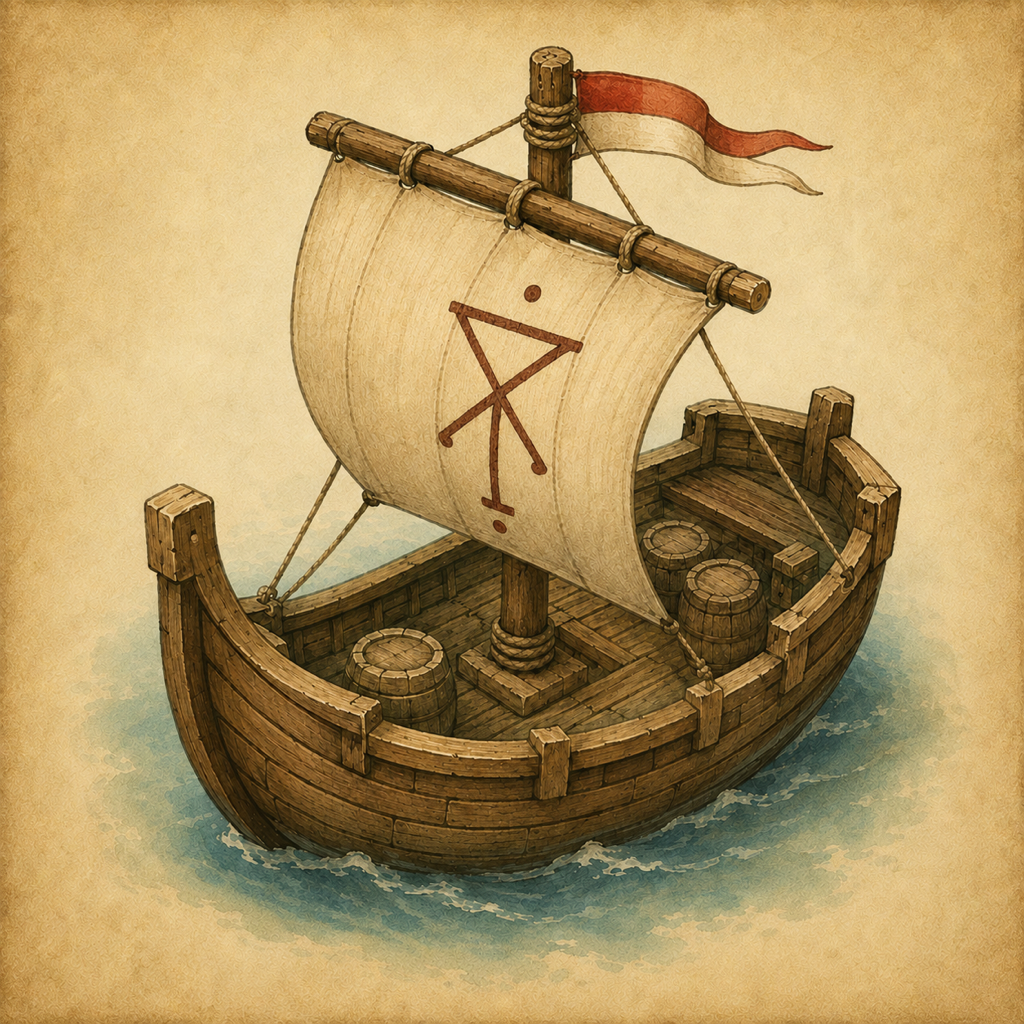
Hansa Trader
Try your luck in a deep medieval trading game: run routes, build businesses, and grow your trading empire.
Further reading
- Hansisches Urkundenbuch, Hansischer Geschichtsverein. Edited documentary material for Low German merchants and Hanseatic cities.
- Hanserecesse, Hansischer Geschichtsverein. Records and decisions of Hanseatic assemblies, especially useful for the more institutionally visible later Hansa.